


Relevancy in digital Out of Home
The Moments of Truth
The Moments of Truth is a landmark three-stage research project that proves how the use of contextually relevant messaging in digital Out of Home will increase its effectiveness by an average +17%.
The pioneering study is a cross-industry collaboration between us, JCDecaux UK, and Posterscope which demonstrates the power of relevancy in Out of Home to increase consumer brain response, ad recall, brand/creative rating, and sales response.
Neuroscience
Conducted by leading Neuroscience research company, Neuro-Insight, stage one used the established technique of Steady State Topography (SST). The study monitored the brain response of 160 participants during exposure to either contextually relevant (test) or non-contextually relevant (control) digital Out of Home advertising on a full-size portrait DOOH screen.
The results for each variation of exposure reveal (test vs. control):
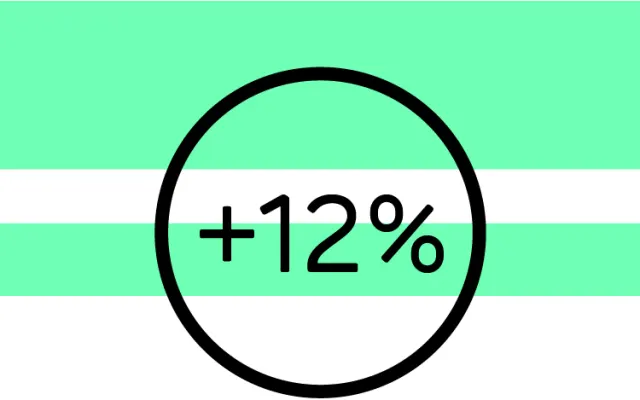
Relevant Moment
An average +12% increase in brain response when displaying a ‘brand’ or ‘product’ communication at the most relevant moment vs. a less relevant moment, e.g. displaying a cereal advert in the morning.
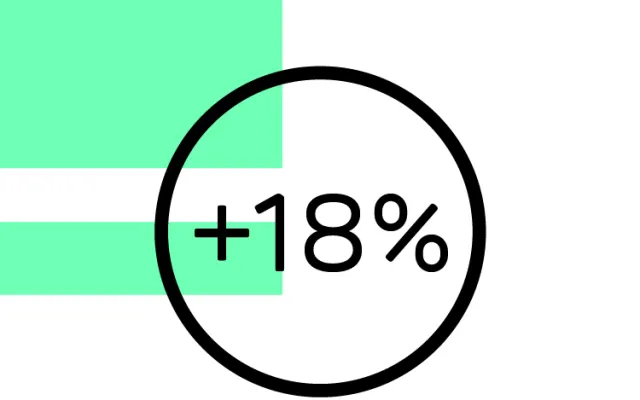
Relevant Content
An average +18% increase in brain response when displaying content that was relevant using either the location, the weather, the time, or a live update as the stimulus, with an explicit call out to the relevancy - e.g. it's raining.
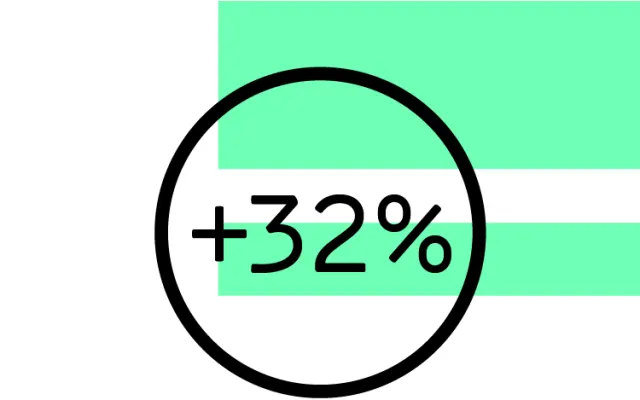
Relevant Moment + Relevant Content
An average +32% increase in brain response when displaying a ‘brand’ or ‘product’ communication with relevant content containing an explicit call out at the most relevant moment - e.g. it's Friday evening, the sun is shining, time for a beer.
Ad Recall
Using ResearchBods online webcam eye-tracking software, 280 respondents viewed a video walkthrough of an indoor shopping mall. The video contained six digital Out of Home screens each featuring a different brand’s advertising. Each video featured a mixture of contextually relevant (test) and non-contextually relevant (control) content displayed on the screens.
The research monitored the duration of ad fixation, while a post-exposure questionnaire recorded average increases (test vs control) of:

Time spent looking at advert
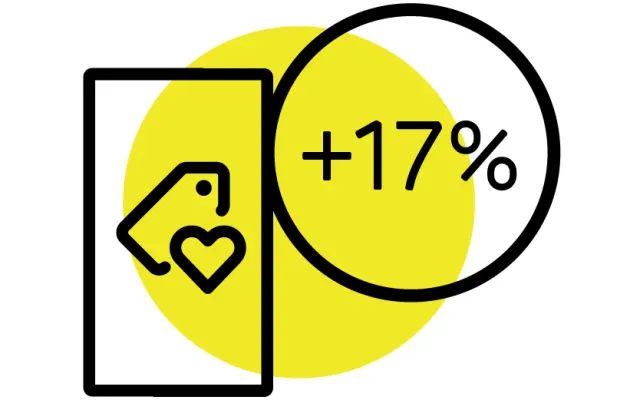
Spontaneous ad awareness

Average creative rating
Sales Effect
The final stage of the research saw meta-analysis across multiple effectiveness studies. Each of the studies monitored the link between in-store sales and the use (or absence) of digital Out of Home advertising.
The comparisons determined that advertisers applying relevant content at relevant moments in the real world drove increased consumer action versus a singular digital Out of Home creative approach.
The analysis revealed average increases of:
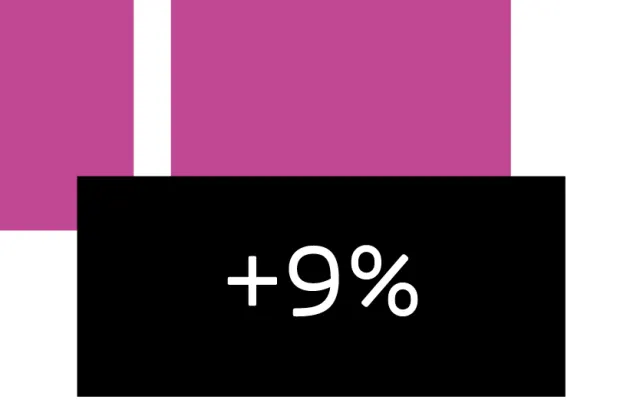
Standard DOOH vs. No OOH
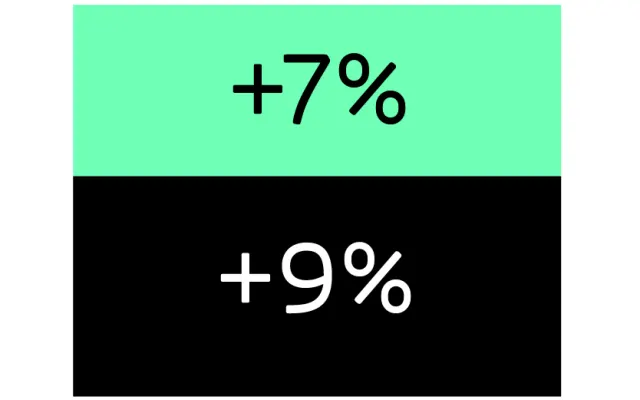
Relevant DOOH vs. Standard DOOH
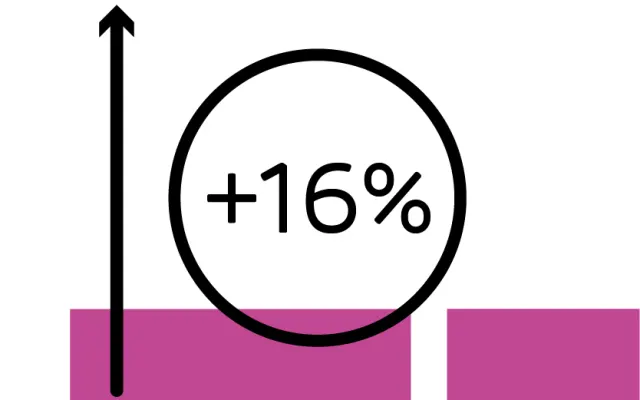
Relevant DOOH vs. No OOH
Maximise the effectiveness of your digital Out of Home advertising with contextually relevant messaging...

Discover how to drive relevance on Out of Home
For access to The Moments of Truth white paper, please fill in the form and we'll get a copy across to your inbox for you!
1. Neuroscience, conducted by Neuro-Insight, using the Neuroscience technique of Steady State Topography (SST) measuring brain response of 160 participants.
2. Ad Recall, conducted by ResearchBods, using online webcam eye tracking and online survey of 280 respondents.
3. Sales Effect, conducted using test & control store sales data for 4 advertiser campaigns.

Bauer Media Outdoor publishes 2025 ESG Report, highlighting progress across planet, people, communities and governance
Bauer Media Outdoor has released its 2025 ESG Report, marking a year of strong progress following its integration into Bauer Media Group. The report outlines how the business continued to evolve as both a Platform for Brands and a Platform for Good.
